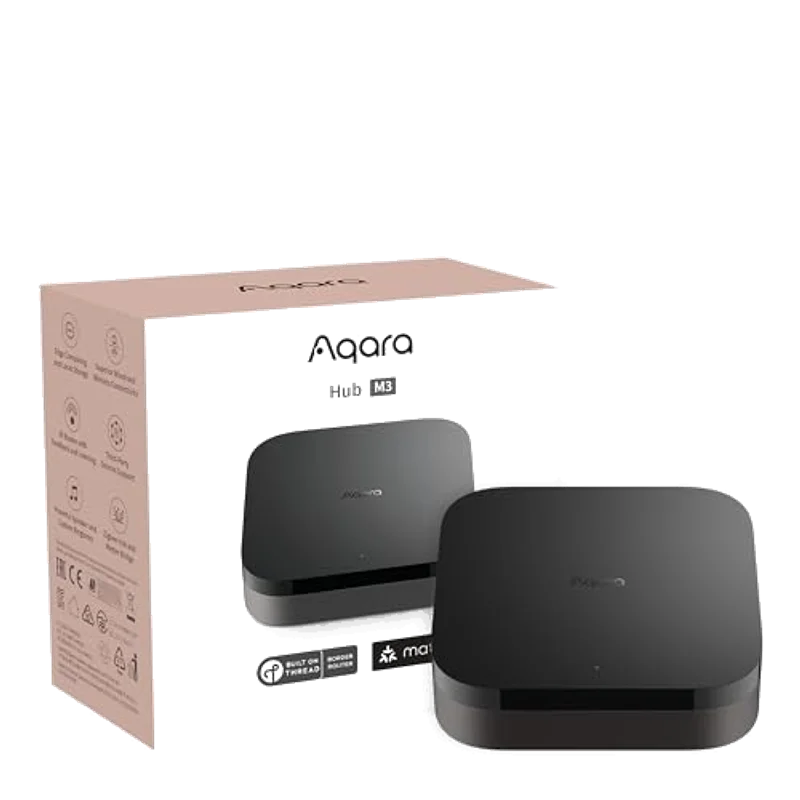
Aqara Hub M3
Buy when you're ready to commit to Zigbee/Thread gear and want a serious hub, overkill if you only need two smart plugs.
UK 2026
Five budget smart home starter approaches compared for UK buyers in 2026 — Aqara Hub M3, TP-Link Tapo, Home Assistant Green, Hive, and Ring. Real GBP prices, subscription costs, and ecosystem lock-in explained.
Buy when you're ready to commit to Zigbee/Thread gear and want a serious hub, overkill if you only need two smart plugs.
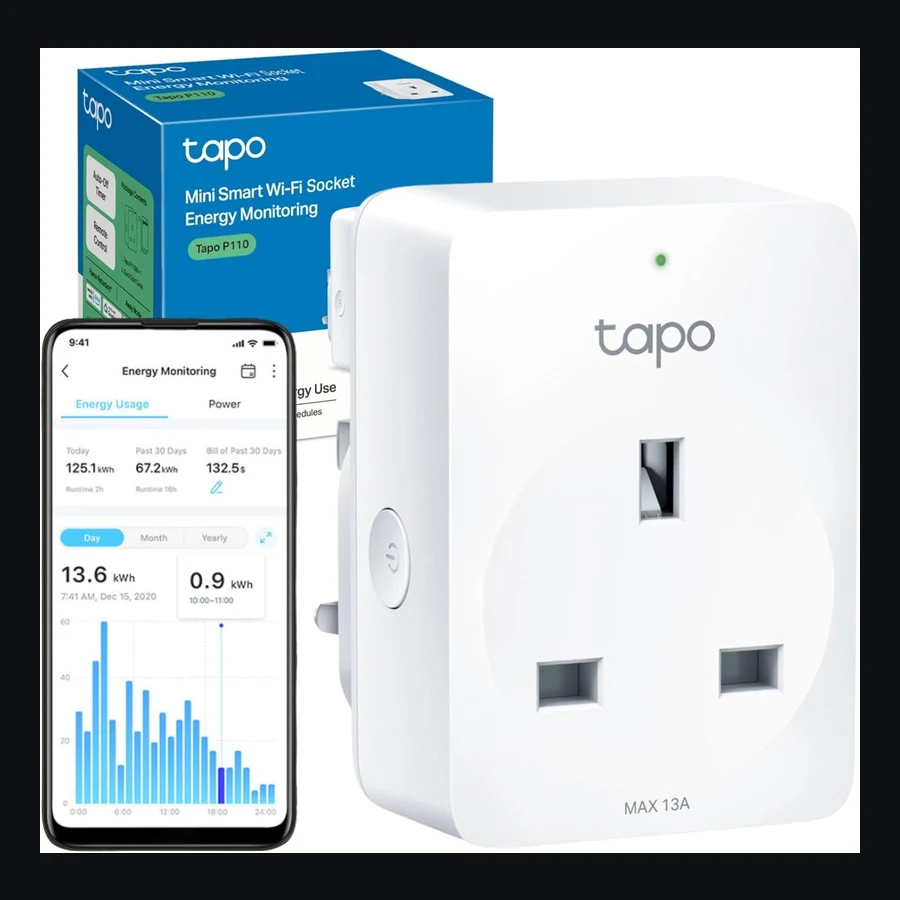
The renter-safe default UK smart plug with energy monitoring, buy a pack, not a hub.
The best budget smart home starter kit for UK buyers in 2026 is built around the Aqara Hub M3 (£109.99) paired with a TP-Link Tapo P110 smart plug (£13.99) and a Tapo L530E bulb (£11.99) — total outlay under £140 and no mandatory subscription required. If you want to avoid vendor lock-in entirely, the Home Assistant Green (£99–£159) offers local, subscription-free control of hundreds of device brands. Both approaches beat the Hive and Nest routes on ongoing cost, though they demand slightly more setup effort. This guide ranks five starter approaches head to head so you can choose the right one for your situation.
Affiliate disclosure: Amazon UK / eBay Partner Network links may earn us a commission at no extra cost to you. All prices checked July 2026.
Smart home hardware costs have shifted considerably in 2026. The Aqara Hub M3 holds steady at £109.99 on Amazon UK — a lot for a hub, but it bundles Zigbee 3.0, Thread border routing, Matter control, and an IR blaster into one mains-powered box. Most competing hubs either cost more or do far less. The TP-Link Tapo P110 smart plug, which monitors energy use per socket, lands around £13.99 for a single unit or closer to £10 each in a twin pack — one of the keenest prices on the UK market for an energy-monitoring plug. A single Tapo L530E E27 colour bulb costs roughly £11.99, and the Aqara Door and Window Sensor T1 sits at approximately £15.99 per unit.
By contrast, the Hive Active Heating thermostat and receiver cost £229 upfront, and Hive's optional subscription (Hive+) comes in at £3.99 per month after the first free year — £48 per year if you keep it. That is not ruinous on its own, but it adds up across a five-year window. The Nest Learning Thermostat is pricier still at £249.99, and while Google does not charge for basic remote access, some of its partner integrations push you towards Nest Aware at £5 per month for additional history and alerts. The Ring Battery Plus doorbell costs £159.99 as hardware, but viewing recorded clips beyond a 60-second snapshot requires a Ring Protect Basic plan at £4.99 per month per device — without it, the doorbell cannot save any footage at all.
The Home Assistant Green sits at £99–£159 depending on retailer and bundle (The Pi Hut and EverythingSmart both stock it). It runs Home Assistant OS out of the box and carries no subscription whatsoever. Adding a Zigbee USB dongle costs roughly £18–£25, which takes your total to around £125. That gives you a genuinely open, local platform — but it assumes you are comfortable spending an afternoon in a browser-based dashboard rather than tapping through a polished app.
Nanoleaf Shapes panels (the six-triangle starter pack at £89.99) sit further up the price range and are decorative rather than foundational — useful once you have a hub and core automation in place, but a poor first purchase for a budget kit.
Every approach on this list carries at least one meaningful complaint worth knowing before you spend.
Aqara Hub M3 — ecosystem lock-in and app inconsistency. The M3 pairs beautifully with Aqara's own Zigbee sensors, but several Reddit users on r/aqara and r/homeassistant have noted that third-party Zigbee devices (particularly some Tuya-based sensors) do not always pair reliably without going through the Home Assistant integration instead. A handful of Amazon UK reviewers reported being bricked by an OTA firmware update in early 2026, with Aqara's UK warranty team offering replacement units rather than remote fixes. The companion app has also been criticised for its ageing interface — functional, but not as polished as Google Home or Apple's Home app. Matter helps here: if you primarily use HomeKit or Alexa, the M3 bridges seamlessly and the app becomes secondary.
TP-Link Tapo ecosystem — cloud dependency and Matter gap. The standard Tapo P110 and L530E are Wi-Fi devices that work through TP-Link's cloud. They function offline for schedules stored on the device, but real-time remote access drops if TP-Link's servers have downtime. The newer P110M adds Matter support, which fixes this by letting local control run through any Matter controller, but it costs a few pounds more. Users on Amazon UK also note the Tapo app occasionally logs you out without warning. None of these are dealbreakers, but they are worth knowing if local control matters to you.
Hive — subscription creep and support complaints. Hive's most common complaint in 2026 is not the technology itself but the customer support experience. Multiple Amazon UK reviews and Trustpilot comments describe extended waits to reach support, no clear escalation route when systems go offline, and no engineer visit offered as a first-line fix. The hardware itself is reliable, but when it does break, the experience of getting help is frustrating. The optional Hive+ subscription (£3.99/month) unlocks heating history and smart reports; without it, the thermostat works but history is limited to the last seven days.
Ring Battery Plus — subscription trap and Micro-USB charging. Ring's biggest recurring criticism in 2026 is pricing. The Ring Protect Basic plan at £4.99 per month is mandatory for saving any video footage — without it, the doorbell only shows live view and triggers push notifications. If you have more than one Ring camera, moving to a Protect Plus plan at £14.99 per month starts to look genuinely expensive. Additionally, the Battery Plus still charges via Micro-USB rather than USB-C, which feels out of step with 2026 expectations. Amazon's increasing integration of Ring data into its advertising ecosystem is a separate concern raised regularly on privacy-focused subreddits.
Home Assistant Green — learning curve and no included Zigbee radio. The Green is not difficult to set up for someone comfortable with a router admin page, but it is not a consumer appliance in the Hive or Tapo sense. You need to add a Zigbee USB dongle separately (the SkyConnect or ZBDongle-E both work well), configure the integration manually, and build automations in a YAML-adjacent interface. That is genuinely rewarding once done — and far more powerful than any cloud hub — but it is an hour's project, not a ten-minute plug-in.
| Starter Approach | Hub / Device | Entry Cost (UK) | Monthly Subscription | Ecosystem Freedom | Setup Difficulty |
|---|---|---|---|---|---|
| Aqara M3 Kit | Aqara Hub M3 | £109.99 hub only | None required | Good (Matter + HomeKit + Alexa) | Easy (10–20 min) |
| Tapo-Only Wi-Fi | No hub needed | £13.99 per plug | None (cloud optional) | Limited (Tapo / Alexa / Google) | Very easy (5 min) |
| Home Assistant Green | HA Green + Zigbee dongle | £115–£175 | None (fully local) | Excellent (all protocols) | Moderate (1–2 hours) |
| Hive Heating | Hive Hub + Thermostat | £229 | £3.99/month (optional) | Poor (Hive ecosystem only) | Easy (boiler engineer needed) |
| Ring Doorbell | Ring Battery Plus | £159.99 | £4.99/month (needed for clips) | Poor (Ring / Amazon ecosystem) | Easy (15 min) |
Aqara Hub M3
Buy if: you want a single hub that covers Zigbee, Thread, Matter, and IR blasting — and you use Apple HomeKit or Alexa as your primary voice assistant. It gives you a proper automation platform without a monthly fee and pairs natively with hundreds of Zigbee sensors. The combination of an Aqara Hub M3 on Amazon UK (eBay) with an Aqara Door Sensor T1 on Amazon UK (eBay) is the strongest sub-£130 starter combination available right now.
Avoid if: you want Z-Wave lock support, or you are deeply invested in Google Home — Aqara's Google Home integration via Matter works, but direct Aqara-to-Google routines are more limited than HomeKit equivalents.
TP-Link Tapo P110 Smart Plug
Buy if: you want your first smart home device with zero commitment — no hub, no subscription, no bridge. Plug it in, download the free Tapo app, and schedule your dehumidifier or track what your electric heater actually costs to run. The TP-Link Tapo P110 on Amazon UK (eBay) is the lowest-friction way to start. Pair it with a Tapo L530E bulb on Amazon UK (eBay) for a fully functional smart lighting setup under £30.
Avoid if: you want local control that survives internet outages, or you plan to build a large multi-brand ecosystem. The Tapo cloud is reliable but not infallible, and the ecosystem does not stretch easily beyond TP-Link's own hardware.
Home Assistant Green
Buy if: you are technically confident, value privacy, and want a platform that will never charge you a subscription fee regardless of how many devices you add. The Home Assistant Green on Amazon UK (eBay) is the only option here that gives you genuine, protocol-agnostic control — Zigbee, Z-Wave, Thread, Matter, Wi-Fi, and even Bluetooth all in one place once you add the right USB dongles. It is also the most future-proof choice.
Avoid if: you want to be up and running in under 20 minutes with a polished smartphone app and minimal configuration. Home Assistant's power comes at the cost of a steeper learning curve.
Hive Active Heating
Buy if: you want smart heating with a clearly UK-focused ecosystem, professional installation support, and a well-established app. The Hive Active Heating system on Amazon UK (eBay) is a sensible choice for renters or homeowners who want the heating sorted first and do not want to pair it with a broader smart home platform.
Avoid if: you are on a tight budget — at £229 upfront it is the most expensive entry on this list, and customer support quality has been inconsistent in 2025–2026 reviews. Also avoid if you want a thermostat that works within a broader multi-brand ecosystem — Hive devices talk primarily to Hive.
Ring Battery Plus
Buy if: you want a video doorbell that integrates with Alexa and Amazon Echo Show displays, and you are comfortable paying £4.99/month for the Protect Basic plan to get clip saving. The Ring Battery Plus on Amazon UK (eBay) has good video quality and reliable motion detection when it works.
Avoid if: you object to mandatory subscriptions for core features, or you are privacy-conscious about Amazon's data practices. Eufy and Reolink offer local-storage alternatives at similar or lower prices.
For the budget-first UK buyer in 2026, the Aqara Hub M3 remains the strongest anchor for a starter kit. At £109.99 it is not cheap as hubs go, but it replaces three separate purchases — a Zigbee bridge, a Thread border router, and an IR blaster — and it carries no subscription requirement. Pair it with a Tapo P110 smart plug (for energy monitoring), a Tapo L530E bulb (for smart lighting), and an Aqara Door Sensor T1 (for door alerts and automations), and you have a working, genuinely capable smart home for under £155 with no recurring cost.
If subscription-free local control is your priority from day one, the Home Assistant Green is the better long-term platform. It costs more to get started when you factor in a Zigbee dongle, takes longer to configure, and lacks the polished app experience of commercial products — but it will never hold your automations hostage behind a paywall, and its device compatibility is unmatched in this category.
The Tapo-only route (no hub, just Wi-Fi plugs and bulbs) is the right starting point if you are genuinely uncertain whether smart home tech is for you. Spend £25 on a P110 and an L530E, live with them for a month, and then decide whether to invest in a hub. Most people find the scheduling and energy monitoring useful enough to continue.
Avoid building your first kit around Ring or Hive unless their specific use case — doorbell footage storage or boiler heating control — is your primary goal. Both products work well within their own ecosystems but lock you into recurring costs and offer limited integration with the broader smart home landscape.
For further reading on building out your setup, the gaming room build kit guide covers smart lighting for media spaces, and the shed and garden office setup pack includes smart plug and sensor recommendations for outbuildings. The studio and workspace section has additional device pairing guides.
No. The TP-Link Tapo range works entirely over your home's Wi-Fi with no hub required — a P110 smart plug or L530E bulb connects directly to the Tapo app. A hub becomes worthwhile once you want to mix devices from different brands, use Zigbee sensors (which are cheaper and more battery-efficient than Wi-Fi devices), or build complex automations across multiple devices. For a first purchase, skipping the hub and starting with a £13.99 Tapo plug is entirely sensible.
Yes, if you plan to add more than two or three devices over the next year. The M3 is more expensive upfront than a budget hub, but it supports Zigbee 3.0 (meaning cheaper sensors), Thread, Matter, and has a built-in IR blaster for controlling TVs and air conditioners without a separate remote blaster. Competitors in the same price bracket typically cover one or two of those protocols, not all four. If you only want to control a single bulb and plug, the hub cost is hard to justify — stick to Wi-Fi Tapo devices instead.
Tado smart radiator valves (TRVs) work without a subscription for basic scheduling and remote control — the subscription (Tado Auto-Assist, £2.99/month) only adds auto-geofencing. A single Tado TRV costs around £49.99. Alternatively, if you use Home Assistant Green, you can pair Zigbee TRVs from brands like Sonoff or Tuya for as little as £18–£25 per valve, with no subscription at all. Hive and Nest both require account-tied cloud services for heating history, which is less suitable if you want full local control.
Most of the products in this guide support both Alexa and Google Home, but with different levels of integration. The Aqara Hub M3 works with both via Matter, though some advanced Aqara automations (particularly those triggered by the hub's IR blaster) only run natively in the Aqara Home app or Apple HomeKit. Tapo plugs and bulbs have official Alexa and Google skills that work reliably. Home Assistant Green supports both through its cloud integration or via Matter, giving you the broadest compatibility. Ring and Hive both work with Alexa more comprehensively than with Google, reflecting their closer alignment with Amazon and British Gas respectively.
Buy when you're ready to commit to Zigbee/Thread gear and want a serious hub — overkill if you only need two smart plugs.
Praise for Matter Controllers / multi-protocol ambitions. Themes: app learning curve, ecosystem lock-in feelings, and UK Thread device availability still catching up. Power users happy; casuals bounce.
| protocols | Zigbee / Thread / Matter (sku-dependent) |
| hub_required | is the hub |
The renter-safe default UK smart plug with energy monitoring — buy a pack, not a hub. Score is high for the job; it's still a budget plastic plug.
UK reviewers love price, Matter/app maturity, and monitoring. Themes: cloud dependence anxiety, occasional Wi-Fi drops on busy 2.4GHz, and plastics feel cheap (expected). Excellent uninstall story for renters.
| install | plug-in |
| hub_required | false |
| energy_monitoring | true |
Aqara Hub M3 is our pick (8.5/10) vs TP-Link Tapo P110 at 8.2/10. Five budget smart home starter approaches compared for UK buyers in 2026 — Aqara Hub M3, TP-Link Tapo, Home Assistant Green, Hive, and Ring. Real GBP prices, subscription costs, and ecosystem lock-in explained.
Around £109.99 on Amazon UK at last check (13 July 2026). Confirm on the retailer — prices move.
Choose TP-Link Tapo P110 if you prioritise value over the overall winner (about £9 UK). See the score breakdown and drawbacks in the article.
Performance 40%, value 25%, build 20%, ease of use 15% — out of 10. Rankings are never sold. Full detail on our methodology page.
New versus matchups, garage-gym / gaming-room kit alerts, and deal notes. One email a week.
One email per week. Confirmation page next. Unsubscribe any time. Privacy.
Prices checked via the Amazon Creators API and may since have changed. Affiliate disclosure · How we test